Medicine
Travelling with CBD: where it's banned, and where you need a prescription
A CBD oil that's sold next to vitamins at home can be treated like cannabis at the border. Where it's banned outright, where a prescription or permit works, and where THC is the line.
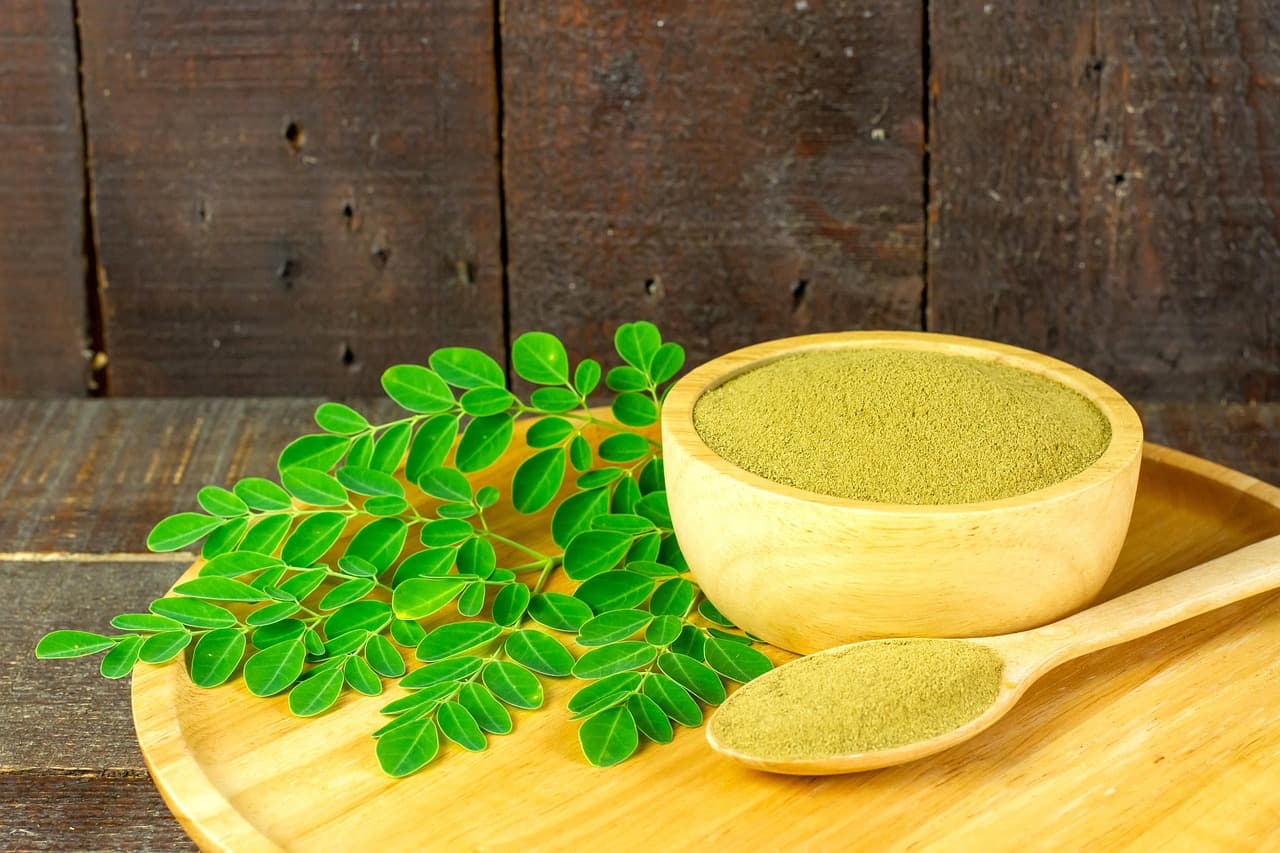
CBD is easy to buy in many countries, so it rarely feels like something to check before a trip. At the border it's a different story: in some places a CBD oil or gummy is treated exactly like cannabis, even with no THC in it. We've checked the rules against official sources for the countries below.
Short version: don't bring any CBD product to Hong Kong, Singapore, South Korea, the UAE or Indonesia. New Zealand, Australia, Taiwan and Brazil allow it only with a prescription or a permit arranged before you travel. For a country not listed here, assume nothing and check first.
Banned, even with no THC
Hong Kong. Since 1 February 2023, CBD has been a dangerous drug in Hong Kong, in any concentration. That covers oils, skincare, food and drinks. Importing it can mean life imprisonment and a HK$5 million fine.
Singapore. Cannabis, cannabis extracts, THC and CBD are absolutely prohibited, regardless of prescription or approval. The usual controlled-medicine approval process doesn't apply.
South Korea. Korea Customs lists CBD with THC as a cannabis ingredient under the Narcotics Control Act. Bringing it in is punishable by life imprisonment or at least 5 years, even for medicines sold or prescribed abroad. The one route is prior approval from the Minister of Food and Drug Safety for medicine for your own treatment.
United Arab Emirates. According to the UK government's travel advice, CBD oil is illegal in the UAE. Skincare products and e-cigarette refills containing it are confiscated, and you could face criminal charges.
Indonesia, Armenia and Tanzania. The UK government's travel advice says CBD products are illegal in Indonesia and Armenia, and that some are in Tanzania. For Indonesia it names CBD, hemp-based products and medicinal cannabis, in any form.
Canada. Taking cannabis across the border in any form, including oils containing CBD, is a criminal offence without a Health Canada permit or exemption, even with a medical document and even from a place where cannabis is legal.
Thailand, Cyprus and Vietnam. Their rules ban cannabis extracts, derivatives or preparations without naming CBD. Our reading is that CBD products made from cannabis or hemp fall under these bans.
Only with a prescription or a permit
New Zealand. You can bring a medicinal cannabis product prescribed to you: up to 3 months' supply of a CBD product, with a copy of the prescription or a doctor's letter, in its original container, declared on your New Zealand Traveller Declaration. Products supplied in the United States aren't allowed, and without a prescription any CBD product counts as a prescription medicine you can't import.
Australia. The traveller's exemption lets you bring medicinal cannabis prescribed to you and supplied through a pharmacy, up to 3 months' supply. Non-prescribed cannabis is prohibited.
Taiwan. CBD is an ordinary drug there, and none is approved for sale. For a CBD medicine prescribed to you, apply to the Taiwan FDA for a special import permit before you travel. Above 10 ppm THC, a product counts as a narcotic.
Brazil. CBD products need ANVISA's exceptional import authorisation, obtained before you travel. THC products are banned.
Japan. Products made only from the stalks or seeds of the plant need a manufacturer's certificate and a lab analysis report saying so. Anything made from other parts of the plant counts as cannabis and needs the health ministry's permission.
Chile. CBD products are treated as medicines, and anything above 0.2% THC is a narcotic. No cannabis cosmetics are authorised.
China. Since 1 September 2024, CBD has been a controlled precursor chemical. The rules don't mention any allowance for travellers.
Where the line is THC
United States. Under federal law, hemp CBD with no more than 0.3% delta-9 THC isn't marijuana. That changes in two steps: from 12 November 2026 for cannabinoids a cannabis plant can't produce naturally, and from 11 December 2026 for the rest, including a cap of 0.4 mg total THC per container. US Customs also warns that CBD products can contain more THC than their labels say.
Ireland. CBD isn't a controlled drug, but THC in food is, at any level (hemp seed products aside), and CBD food products are unauthorised novel foods.
Before you pack
- Check every country on your route, including where you change planes.
- Labels aren't a defence: a product sold as THC-free can still contain THC.
- If a country isn't listed here, we haven't verified it yet. Our country pages say so and link the official authority to ask.
Each country's page under Can I bring cannabis or CBD? has the full rule, its official source and the date we checked it.
Destinations covered in this post
Medication rules in these countries
Source: Narcotics Division, Security Bureau (Hong Kong) — Legislative Control of Cannabidiol (CBD)
Checked against official sources: 2026-10-26
See this in the verification changelog →
Informational only — not legal advice and not an official determination of your right to stay. Always verify with official authorities. We are not affiliated with the European Union.