Medicine
Travelling with a medical device: what customs allows
Glucose meters, hearing aids and contact lenses are regulated products. Some countries cap them; Singapore wants approval first.
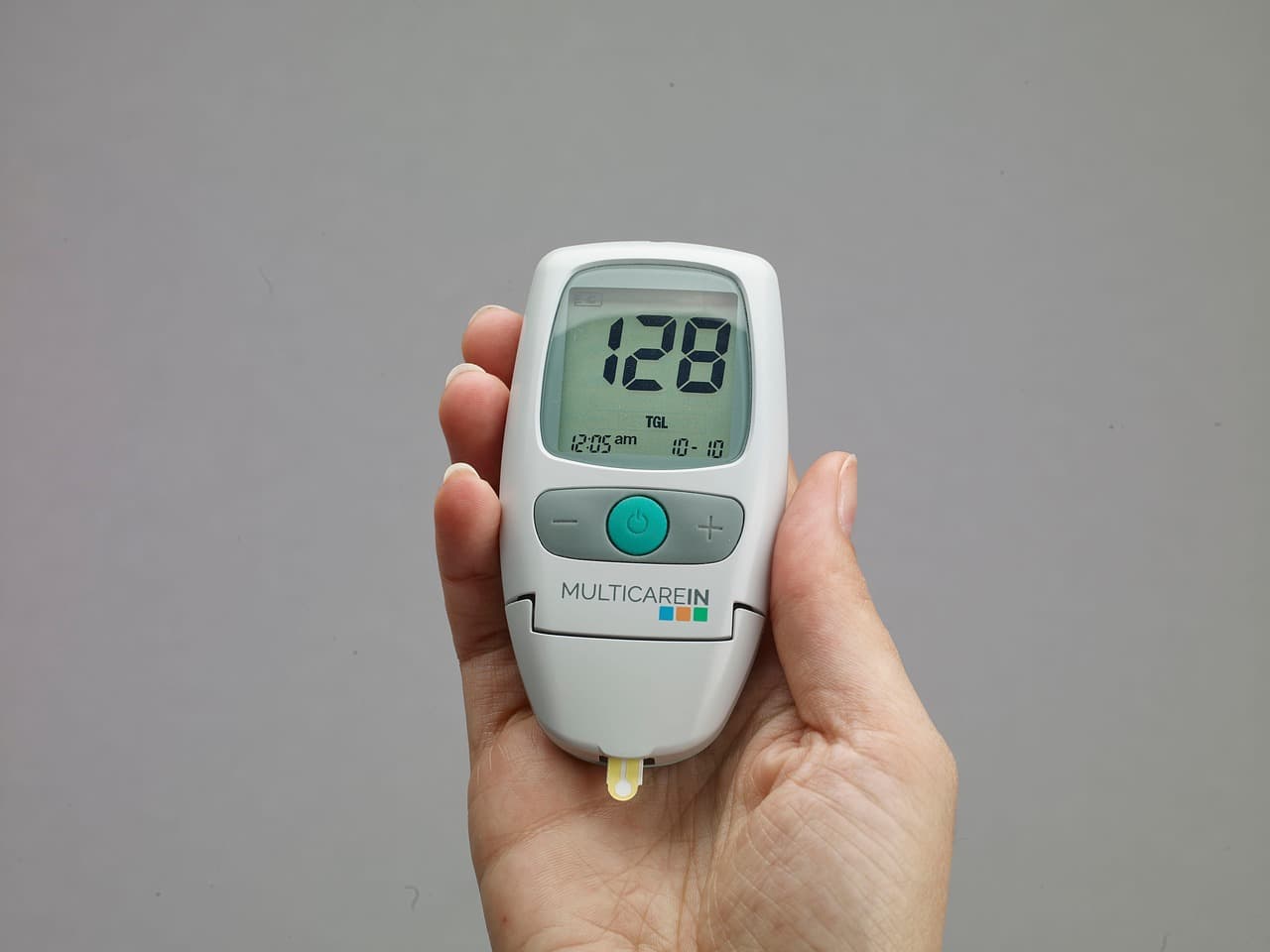
A glucose meter, a hearing aid or a box of contact lenses doesn't feel like something customs cares about. In some countries it is. A medical device is a regulated product, and some countries set limits on how many you can bring, or ask for approval first.
Here is what the official rules say in the countries we've checked so far. These are customs and import rules. Airline and airport security rules (for example, carrying a device through screening) are a separate question.
Singapore: approval first, unless the device is already in use
Singapore is the strictest of these. To bring a medical device for personal use, you need approval from the Health Sciences Authority (HSA) at least 10 working days before you arrive. There's an exception: devices already in use when you arrive, such as an implanted device or one already in contact with your skin or eyes.
- Each approval covers at most 3 months' supply.
- Some devices can't be brought in this way at all: HIV test kits, hazardous radiation-emitting devices, and devices meant to be administered by a qualified practitioner.
- If you're only transiting and stay in the transit zones, you don't need approval.
Malaysia: no permit, but one of each
Malaysia exempts personal-use medical devices from registration and from the customs import permit. The limits depend on the type of device:
- 1 piece of each type of low- or medium-risk device, such as a glucose monitoring device, a hearing aid or an in-vitro diagnostic product.
- Up to 3 months' supply of consumables, such as contact lenses and test strips.
The devices must be for you or your immediate family, keep their original labels, and the Medical Device Authority may ask for a prescription or a letter from a healthcare professional.
Taiwan: a list of items, each with a cap
Taiwan's Food and Drug Administration lists the devices travellers can bring without special approval. Each category is allowed once every 6 months. For example:
- daily disposable contact lenses: 60 per diopter, one brand and two diopters per person;
- corrective lenses: 1 pair;
- medical masks: up to 250.
The page doesn't say how other devices are treated. Devices brought in this way can't be sold or given away; selling them can lead to a fine of NT$30,000 to NT$1,000,000.
Thailand: bring the paperwork
Thailand allows a medical device in the amount you need for personal use, with three documents:
- information about the device, such as its trade name, label, specifications and manufacturer;
- a letter explaining its purpose and confirming it won't be sold;
- a medical certificate confirming you have a condition that needs it.
Japan: one unit
Japan Customs allows one unit of medical equipment for home use, such as an electric massager or a low-frequency therapy device, and disposable contact lenses for up to two months. For anything beyond that, Japan Customs refers you to a pharmaceutical inspector at a Regional Bureau of Health and Welfare.
Ecuador: duty-free up to two of each meter
Ecuador's customs list lets each traveller or family group bring up to 2 each of blood-pressure monitors, thermometers and glucose meters duty-free. Wheelchairs, crutches and similar aids are allowed in personal-use quantities.
What we haven't found yet
None of these official pages names CPAP machines or insulin pumps specifically. If you travel with one, check with the destination's health authority before you go. We'll add more countries as we verify them. Search your device in Trip Check to see the current rule.
Source: Health Sciences Authority — Travelling with medical devices to Singapore
Checked against official sources: 2026-10-18
See this in the verification changelog →
Informational only — not legal advice and not an official determination of your right to stay. Always verify with official authorities. We are not affiliated with the European Union.